dermatology
Adult Acne After 25 -Causes, Symptoms and Treatment Options
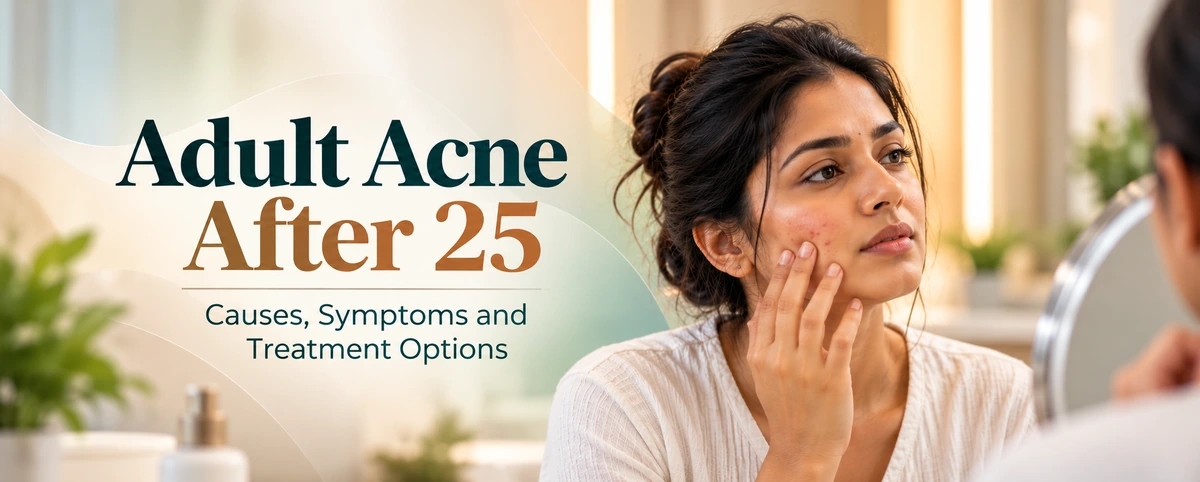
Acne is often associated with the teenage years, but breakouts can continue into adulthood or appear for the first time in your late 20s, 30s or beyond. Persistent pimples, painful bumps around the chin or recurring breakouts before your period can be frustrating, especially when you have already tried several skincare products.
Adult acne is common and treatable. The first step is understanding what may be causing it, because the right treatment depends on the type and severity of acne.
1. How Is Adult Acne Different From Teenage Acne?
Adult acne can look different from the breakouts people experience during adolescence. It often appears around the chin, jawline and lower cheeks, although the forehead, chest and back can also be affected.
Common signs include:
-
Repeated pimples in the same areas.
-
Deep, tender bumps beneath the skin.
-
Breakouts that worsen around the menstrual cycle.
-
Blackheads and whiteheads that persist despite regular skincare.
-
Dark marks or scars left behind after pimples heal.
Some adults have experienced acne since their teenage years, while others develop it for the first time much later. The pattern can provide clues, but it does not identify the cause on its own.
2. What Causes Acne After 25?
Adult acne can develop for several reasons, and more than one factor may be involved.
Hormonal changes
Hormones influence oil production in the skin. Fluctuations associated with the menstrual cycle and other hormonal changes can contribute to breakouts. Some women notice that acne repeatedly appears around their period.
Stress
Stress may aggravate existing acne. It can affect the body's hormonal and inflammatory responses and may also disrupt sleep or daily skincare routines.
Skincare and cosmetic products
Some moisturisers, makeup products, sunscreens and hair products can clog pores or irritate the skin. Products labelled non-comedogenic are designed to be less likely to block pores, although individual reactions can still occur.
Family history
If your parents or close relatives experienced persistent acne, you may be more likely to develop it as an adult.
Medicines and underlying conditions
Certain medicines can trigger acne-like breakouts. In some women, persistent acne may also be associated with a hormonal condition such as polycystic ovary syndrome (PCOS).
3. When Could Acne Be Related to PCOS?
Acne alone does not mean that you have PCOS. However, it is worth discussing possible hormonal causes with a doctor if acne occurs alongside other symptoms, such as:
-
Irregular or infrequent menstrual periods.
-
Increased facial or body hair.
-
Thinning hair on the scalp.
-
Unexplained changes in weight or other signs of hormonal imbalance.
A doctor will consider your symptoms and medical history before deciding whether further assessment or blood tests are appropriate. Hormone testing is not necessary for everyone with acne.
Identifying an underlying condition can help guide treatment rather than focusing only on the skin symptoms.
4. What Treatments Can Help Adult Acne?
Treatment depends on whether the acne is mild, moderate or severe, and whether there are signs of hormonal involvement or scarring.
Topical treatments
A dermatologist may recommend treatments such as benzoyl peroxide, topical retinoids or other prescription creams and gels. These help manage clogged pores, inflammation or acne-causing bacteria. Some treatments can irritate the skin initially, so they should be introduced according to medical advice and product instructions.
Oral medication
For more persistent or severe acne, a doctor may prescribe oral medicines. Antibiotics are generally used for a limited period when appropriate, often alongside topical treatment. Certain women may benefit from hormonal treatments under medical supervision. More intensive medicines may be considered for severe acne or acne that is causing scarring.
Do not start prescription acne medicines on your own. Some treatments have important side effects and pregnancy-related precautions.
Addressing contributing factors
If a medication, cosmetic product or underlying hormonal condition is contributing to the breakouts, your doctor can advise on the appropriate changes or treatment.
Most acne treatments need consistent use for several weeks before improvement becomes noticeable. Depending on the treatment and severity, a clearer result may take three to four months.
5. Everyday Skincare Habits That May Help
A simple, consistent skincare routine is often more useful than trying several strong products at once.
-
Wash your face gently, usually twice a day and after heavy sweating.
-
Choose skincare products labelled non-comedogenic when possible.
-
Avoid harsh scrubs and repeatedly washing your face to remove oil.
-
Remove makeup before going to bed.
-
Avoid squeezing or picking pimples, as this can increase the risk of scars and dark marks.
-
Use sunscreen suitable for your skin to help protect against post-acne marks.
-
Notice whether particular products appear to worsen your breakouts.
Diet may influence acne in some people. Research suggests that a high-glycaemic diet may worsen symptoms for some individuals, but diet is not the only cause, and responses vary. A balanced diet is sensible; restrictive diets are not a substitute for appropriate acne treatment.
6. When Should You See a Dermatologist?
Consider a dermatology consultation if your acne continues for several months, is painful, leaves dark marks or scars, or does not improve with suitable over-the-counter products.
You should also seek medical advice if breakouts appear alongside irregular periods, excess facial hair or other symptoms that may suggest a hormonal problem.
A dermatologist can assess the type and severity of acne, review your skincare routine and medical history, and recommend a treatment plan suited to your needs.
If you are looking for a skin specialist in Trichy, Maruti Hospital can be contacted to enquire about dermatology consultation and appropriate care.
Get Advice for Persistent Adult Acne
Acne after 25 is not unusual, and you do not have to keep experimenting with products without knowing what is causing the breakouts. The right treatment can help control acne, reduce the risk of scarring and address contributing factors when needed.
For persistent acne or concerns about hormonal breakouts, contact Maruti Hospital, Trichy, to enquire about a dermatology consultation.