Neonatology
Neonatal Infections: Early Signs to Watch
· By Maruti Hospital
Neonatal Infections: Early Signs to Watch
Introduction
The first few days and weeks of a baby's life require special attention. Newborns are still developing their immune systems, which can make them more vulnerable to certain infections.
Sometimes, an infection in a newborn may not cause obvious symptoms at first. Small changes in feeding, activity, breathing or temperature can be important signs. Knowing what to look for can help parents seek medical attention at the right time.
1. What Are Neonatal Infections?
Neonatal infections are infections that occur during the newborn period. They can be caused by bacteria, viruses or other microorganisms.
A newborn may develop an infection before, during or after birth. Some babies may be at higher risk, particularly those born prematurely or with a low birth weight.
Early medical assessment is important when an infection is suspected because newborns can become unwell quickly.
2. Watch for Changes in Feeding
Changes in feeding can sometimes be an early sign that a newborn is not feeling well.
Parents should pay attention if their baby:
- Refuses feeds
- Feeds much less than usual
- Has difficulty sucking
- Becomes unusually tired during feeding
- Vomits repeatedly
A sudden change in feeding should not be ignored, particularly when it occurs along with other symptoms.
3. Look for Changes in Temperature and Activity
Newborns may not always develop a high fever when they have an infection. Their temperature may sometimes be unusually high or low.
Parents should also watch for changes in normal behaviour, such as:
- Unusual sleepiness
- Difficulty waking the baby
- Weak crying
- Reduced movement
- Irritability
- A baby who seems less responsive than usual
If you notice a significant change in your baby's behaviour or temperature, contact a healthcare professional promptly.
4. Pay Attention to Breathing Problems
Changes in breathing can be an important warning sign in a newborn.
Seek medical attention if your baby has:
- Fast or difficult breathing
- Grunting while breathing
- Pauses in breathing
- Chest pulling in while breathing
- Bluish lips or skin
Breathing difficulties in a newborn should be assessed urgently rather than waiting for the symptoms to improve on their own.
5. When Does a Newborn Need Specialised Care?
Some newborns may need closer monitoring because they are premature, have low birth weight or develop complications after birth.
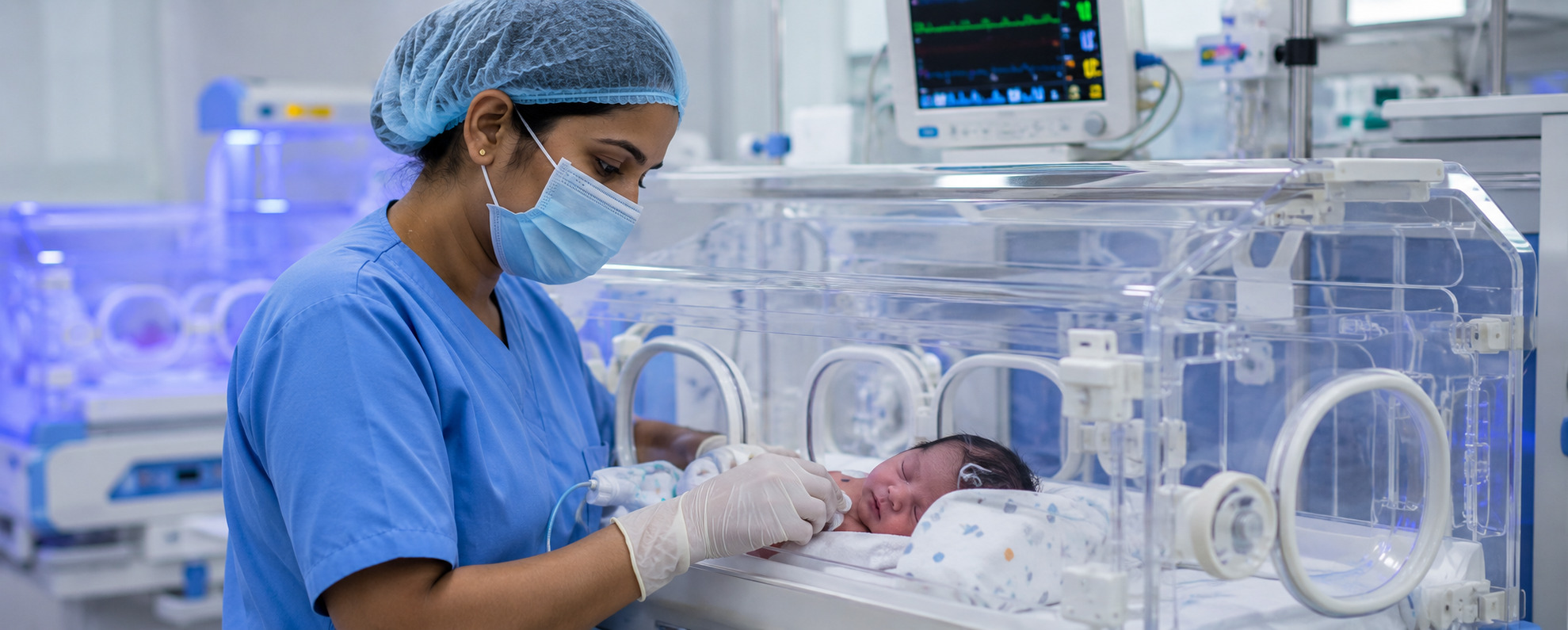
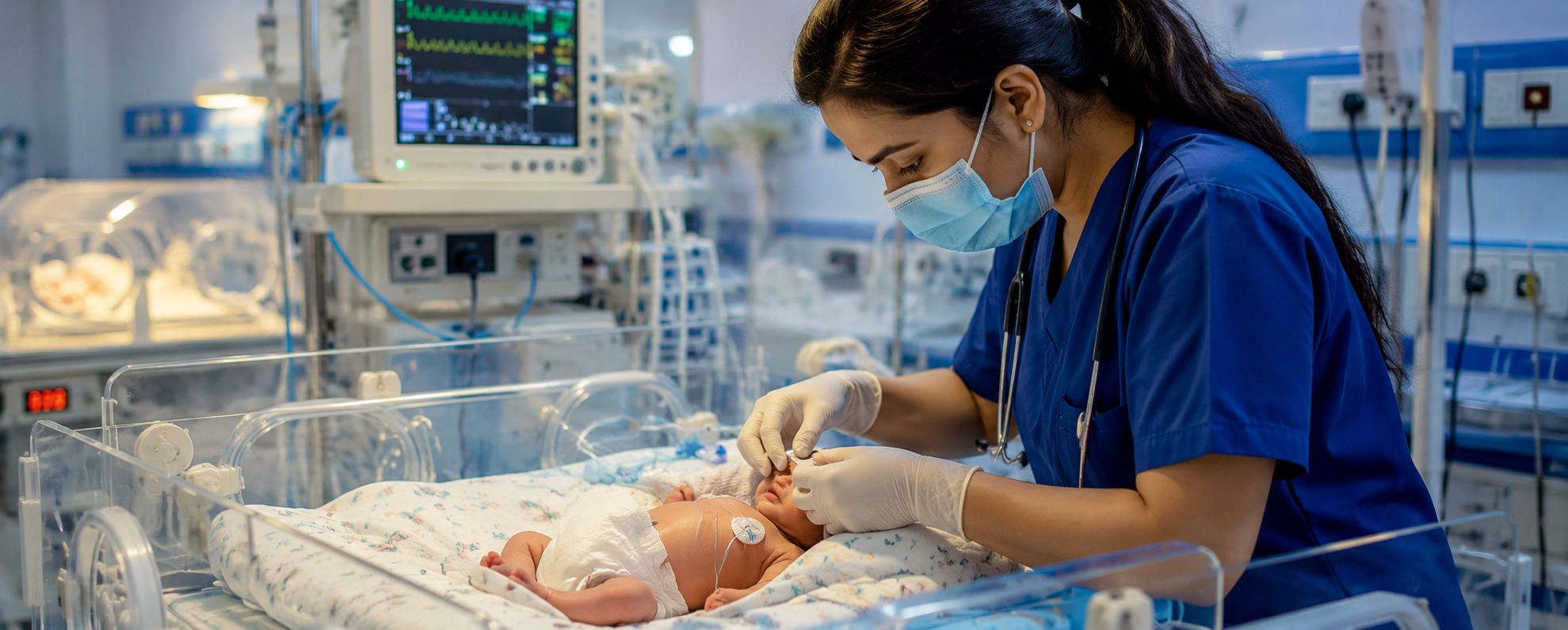
Depending on the baby's condition, doctors may recommend neonatal observation, treatment or NICU care.
Parents should seek immediate medical attention if their newborn has severe breathing difficulty, poor feeding, unusual drowsiness, seizures, bluish skin or a rapid deterioration in condition.
Maruti Hospital provides Neonatology and NICU services to support newborns who require specialised monitoring and medical care.
Conclusion
Newborns can sometimes show only subtle changes when they are becoming unwell. Paying attention to feeding, temperature, breathing and activity can help parents recognise possible warning signs early.
If you notice anything unusual in your newborn, especially a sudden change in feeding, breathing or responsiveness, seek medical advice promptly. Early assessment can help doctors identify the problem and provide appropriate care.