
Maxillofacial Surgery
Plastic and Maxillofacial Surgery: What Patients Should Know
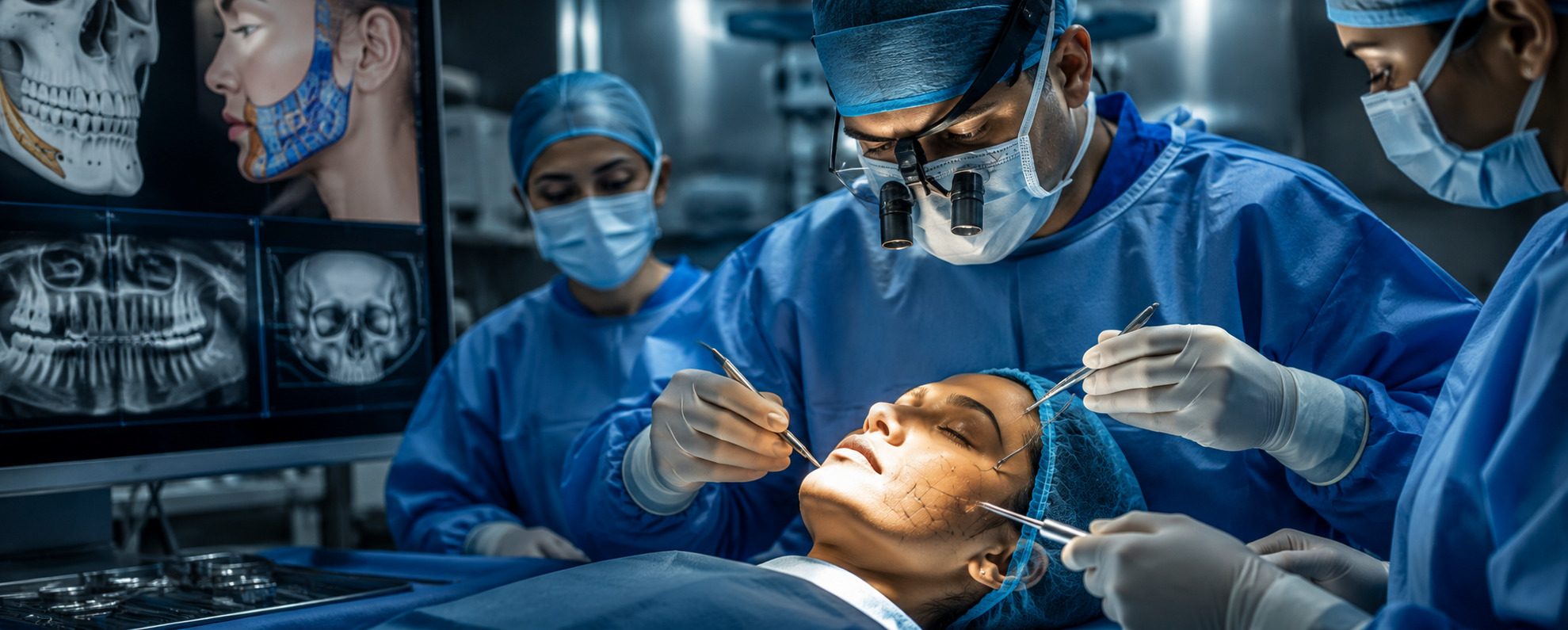
Introduction
Plastic and maxillofacial surgery covers a wide range of procedures involving the face, jaw, mouth, skin and soft tissues. These procedures may be needed after injuries, for certain medical conditions, or to restore function and appearance.
Depending on the patient's condition, treatment may involve reconstructive surgery, facial injury management or correction of problems affecting the jaw and facial structures. Proper evaluation helps the surgical team understand the patient's needs and plan appropriate treatment.
1. What Is Plastic and Maxillofacial Surgery?
Plastic surgery involves procedures that may restore, reconstruct or improve the function and appearance of different parts of the body.
Maxillofacial surgery focuses mainly on conditions involving the:
- Face
- Jaw
- Mouth
- Facial bones
- Soft tissues
- Head and neck structures
Some patients may require treatment from a multidisciplinary team depending on the nature and complexity of their condition.
2. When May Facial Surgery Be Needed?
Plastic or maxillofacial surgery may be considered for different medical situations.
These can include:
- Facial injuries following accidents
- Fractures involving the jaw or facial bones
- Soft-tissue injuries
- Certain congenital conditions
- Problems affecting the jaw
- Facial wounds requiring reconstruction
- Conditions requiring restoration of facial function
The appropriate treatment depends on the type, severity and location of the condition.
3. Treatment After Facial Injuries
Accidents and other injuries can sometimes affect the bones and soft tissues of the face.
Facial injuries may involve:
- Cuts and wounds
- Facial bone fractures
- Jaw injuries
- Damage to soft tissues
- Swelling and bruising
Early medical assessment is important, particularly when an injury affects breathing, vision, swallowing, jaw movement or other important functions.
A surgical team can assess the injury and determine whether observation, wound management or surgical treatment is required.
4. Reconstructive Surgery and Facial Function
Reconstructive procedures aim to restore affected tissues and help improve function following injury, surgery or certain medical conditions.
Depending on the situation, reconstruction may involve:
- Repairing damaged soft tissue
- Treating facial wounds
- Restoring facial structures after injury
- Addressing functional problems
- Supporting recovery after previous surgery
The treatment plan is individualised according to the patient's condition and overall health.
5. What Can Patients Expect Before Surgery?
Before surgery, the doctor will assess the patient's condition and discuss the proposed treatment.
The evaluation may include:
- Medical history
- Physical examination
- Imaging tests when required
- Assessment of the affected facial structures
- Discussion of the expected recovery
- Review of medicines and existing health conditions
Patients should inform their doctor about any regular medicines, allergies or previous surgeries before undergoing a procedure.
6. Why Follow-Up Care Matters
Recovery after plastic or maxillofacial surgery can vary depending on the procedure and the patient's condition.
Following the surgical team's instructions can support recovery. Patients may be advised about:
- Wound care
- Medicines
- Diet and eating restrictions
- Oral hygiene where applicable
- Physical activity
- Follow-up appointments
- Warning signs that require medical attention
Patients should contact their healthcare team if they develop increasing pain, swelling, bleeding, fever or other unexpected symptoms after surgery.
For patients requiring evaluation of facial injuries, jaw conditions or reconstructive needs, consultation with an appropriately trained surgical specialist can help determine the suitable treatment approach.