Nephrology
Fatty Liver on Ultrasound - What It Means and What to Do Next
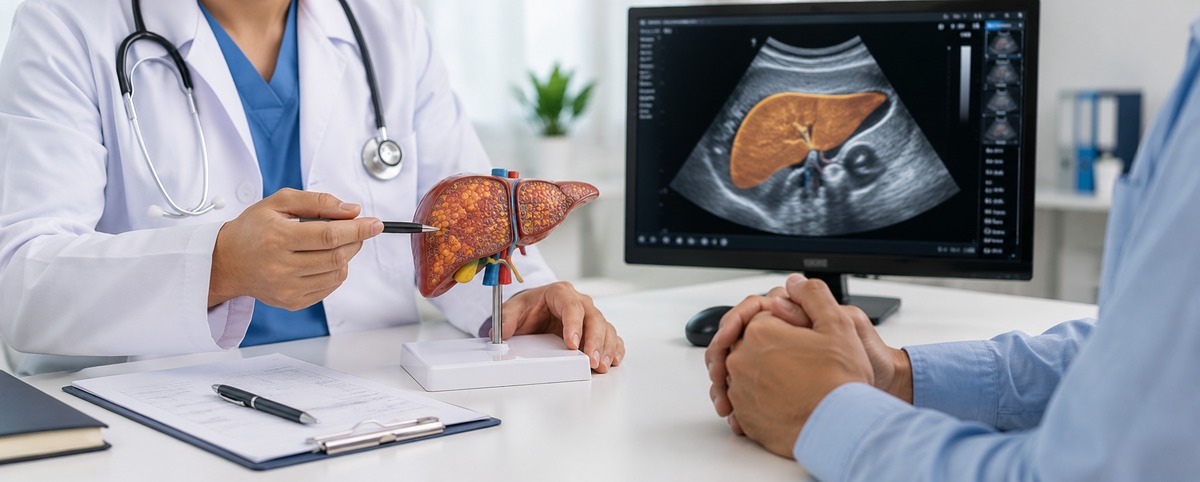
Have you recently received an ultrasound report mentioning “fatty liver” or “mild fatty changes in the liver”? If so, you may be wondering whether it is serious and whether you need treatment.
Fatty liver means that excess fat has accumulated in the liver. It is commonly detected during routine health check-ups, even in people who feel completely healthy. The finding does not automatically mean that the liver is damaged, but it is worth discussing with a doctor to understand what may be causing it and whether further tests are needed.
In many people, particularly those in the early stages, lifestyle changes and management of related health conditions can reduce liver fat and lower the risk of future complications.
1. What Does Fatty Liver Mean?
The liver plays an important role in digestion, metabolism and removing waste products from the body. When excess fat builds up in liver cells, the condition is called fatty liver.
One common form is MASLD (metabolic dysfunction-associated steatotic liver disease). It is associated with metabolic risk factors such as excess body weight, type 2 diabetes, high blood pressure and abnormal cholesterol or triglyceride levels. Alcohol-related liver disease is another possible cause of fat accumulation in the liver.
A fatty liver finding does not tell you everything about your liver health. An ultrasound can detect fat, but it cannot reliably determine whether inflammation or significant scarring is present. Your doctor may recommend blood tests or other assessments depending on your medical history and risk factors.
2. What Causes Fatty Liver?
Fatty liver can develop for several reasons. It is not always linked to alcohol consumption, and it can affect people who do not appear overweight.
Common risk factors include:
-
Excess body weight, particularly fat around the abdomen.
-
Type 2 diabetes or insulin resistance.
-
High cholesterol or triglyceride levels.
-
High blood pressure and other metabolic conditions.
-
Limited physical activity and a diet high in sugary drinks or refined carbohydrates.
-
Regular heavy alcohol consumption.
-
Certain medications or other medical conditions.
Some people have more than one risk factor, while others develop fatty liver without an obvious cause. A medical assessment can help identify the factors that may be contributing to the condition.
3. Is Fatty Liver a Serious Condition?
The seriousness of fatty liver depends on whether it is associated with inflammation or liver scarring. Many people have fat accumulation without significant liver damage, while some develop progressive disease over time.
Doctors generally assess liver disease along a spectrum:
-
Simple steatosis: Fat has accumulated in the liver, without evidence of significant inflammation or injury.
-
MASH (metabolic dysfunction-associated steatohepatitis): Fat accumulation occurs alongside inflammation and liver cell injury.
-
Fibrosis: Scar tissue develops as the liver responds to ongoing injury.
-
Cirrhosis: Extensive scarring affects the structure and function of the liver.
Not everyone progresses through these stages. The important point is that an ultrasound report showing mild fatty changes does not establish which stage you are in. Further evaluation may be necessary, especially if you have diabetes, abnormal liver blood tests or other risk factors.
4. What Tests Might Be Needed After an Ultrasound?
If fatty liver appears on your scan, your doctor will consider your symptoms, medical history, medications and other health conditions before deciding what to do next.
Depending on your situation, the assessment may include:
-
Liver blood tests: To check for signs of liver injury and assess relevant liver markers.
-
Blood sugar testing: Fasting glucose or HbA1c to identify diabetes or prediabetes.
-
Lipid profile: To check cholesterol and triglyceride levels.
-
Blood pressure and weight assessment: To identify related metabolic risks.
-
Fibrosis risk assessment: Blood test results and other clinical information can help estimate the likelihood of liver scarring.
-
FibroScan or elastography: May be recommended when additional information about liver stiffness is needed.
A liver biopsy is not required for most people. It may be considered in selected cases when other tests do not provide enough information.
A gastroenterologist in Trichy can help interpret your ultrasound findings alongside your blood tests and medical history, rather than relying on the scan report alone.
5. What Can You Do to Improve Fatty Liver?
Lifestyle changes are central to managing MASLD. The right approach depends on your current weight, other health conditions and the extent of liver disease.
Make gradual, sustainable dietary changes
Choose more vegetables, fruits, whole grains, pulses and other fibre-rich foods. Include suitable sources of protein and reduce frequent intake of sugary drinks, sweets, highly processed foods and deep-fried snacks. You do not necessarily need to eliminate every source of oil or ghee; overall eating habits and portion sizes matter.
Work towards a healthy weight
For people who are overweight, gradual weight loss can reduce liver fat. A sustained loss of around 5% of body weight may reduce liver fat, while greater losses—often around 7–10% or more—may improve inflammation and other features of liver disease. The amount needed varies, so seek individual advice rather than following a crash diet.
Stay physically active
Aim for at least 150 minutes of moderate-intensity physical activity each week, if your health permits. Brisk walking, cycling and swimming are possible options. Start at a manageable level and increase activity gradually.
Manage diabetes and cholesterol
Keeping blood sugar, cholesterol and blood pressure under control is important for both liver and overall health. Take prescribed medicines as directed and attend recommended follow-up appointments.
Review alcohol and supplements
Avoid or discuss alcohol use with your doctor, particularly if liver disease has been identified. Do not start unverified liver detox products or herbal supplements without medical advice, as some can cause liver injury.
There is no single treatment that works for every person with fatty liver. Your doctor can recommend a plan based on the cause, risk factors and whether there is evidence of inflammation or fibrosis.
6. When Should You Consult a Gastroenterologist?
Do not ignore a fatty liver finding simply because the report describes it as “mild.” Arrange a consultation if your ultrasound shows fatty liver, especially if you have diabetes, high cholesterol, high blood pressure, excess abdominal weight or abnormal liver blood tests.
Seek urgent medical attention if you develop yellowing of the eyes or skin, vomiting blood, black tarry stools, new confusion or severe abdominal pain with fever. These symptoms should not be assumed to be caused by uncomplicated fatty liver.
At Maruti Hospital, Tiruchirappalli, a consultation can help you understand your report, identify relevant risk factors and determine whether further tests or follow-up are appropriate.
Take the Next Step for Your Liver Health
A fatty liver finding is a reason to review your health, not a reason to panic. Understanding the cause, checking for relevant risk factors and making realistic lifestyle changes can help protect your liver over time.
If your ultrasound report mentions fatty liver, consult a gastroenterologist at Maruti Hospital, Trichy, to discuss your findings and the next steps for your care.
This article is for general educational purposes and does not replace an individual medical consultation.