Nephrology
Foamy Urine: Is It Normal or a Sign of Kidney Problems?

Noticing foam in the toilet after urinating can raise concerns about kidney health. In many cases, occasional foamy urine is harmless. However, if the foam appears regularly or lasts longer than usual, it may be worth checking for protein in the urine.
The appearance of urine alone cannot confirm a kidney problem. Other symptoms, medical conditions and urine test results help determine whether further evaluation is needed.
Why Does Urine Become Foamy?
Urine can produce bubbles when it hits the toilet water with force. Concentrated urine, particularly after a night of sleep or when you have not had enough fluids, can also appear foamy.
This type of foam may disappear quickly and does not necessarily indicate a health problem.
If you notice foam frequently, especially when it is new or persistent, do not rely on its appearance alone to decide whether your kidneys are healthy.
Can Foamy Urine Be a Sign of Kidney Disease?
Sometimes. Healthy kidneys normally keep most proteins in the blood while filtering waste into the urine. When the kidney's filtering units are damaged, protein can leak into the urine. This is called proteinuria.
Protein in the urine may be an early sign of kidney disease, including kidney problems associated with diabetes or high blood pressure.
However, foamy urine does not always mean protein is present. A urine test is needed to check for it.
Common Causes of Foamy Urine
1. Concentrated Urine
Urine may become more concentrated when you drink less fluid than your body needs or lose fluids during an illness. This can make bubbles more noticeable. If you have been advised to restrict fluids because of a medical condition, follow your doctor's instructions rather than increasing your intake on your own.
2. Protein in the Urine
Proteinuria can occur when the kidneys' filters are not working properly. Persistent protein in urine needs medical assessment, even if you feel otherwise well.
3. Diabetes and High Blood Pressure
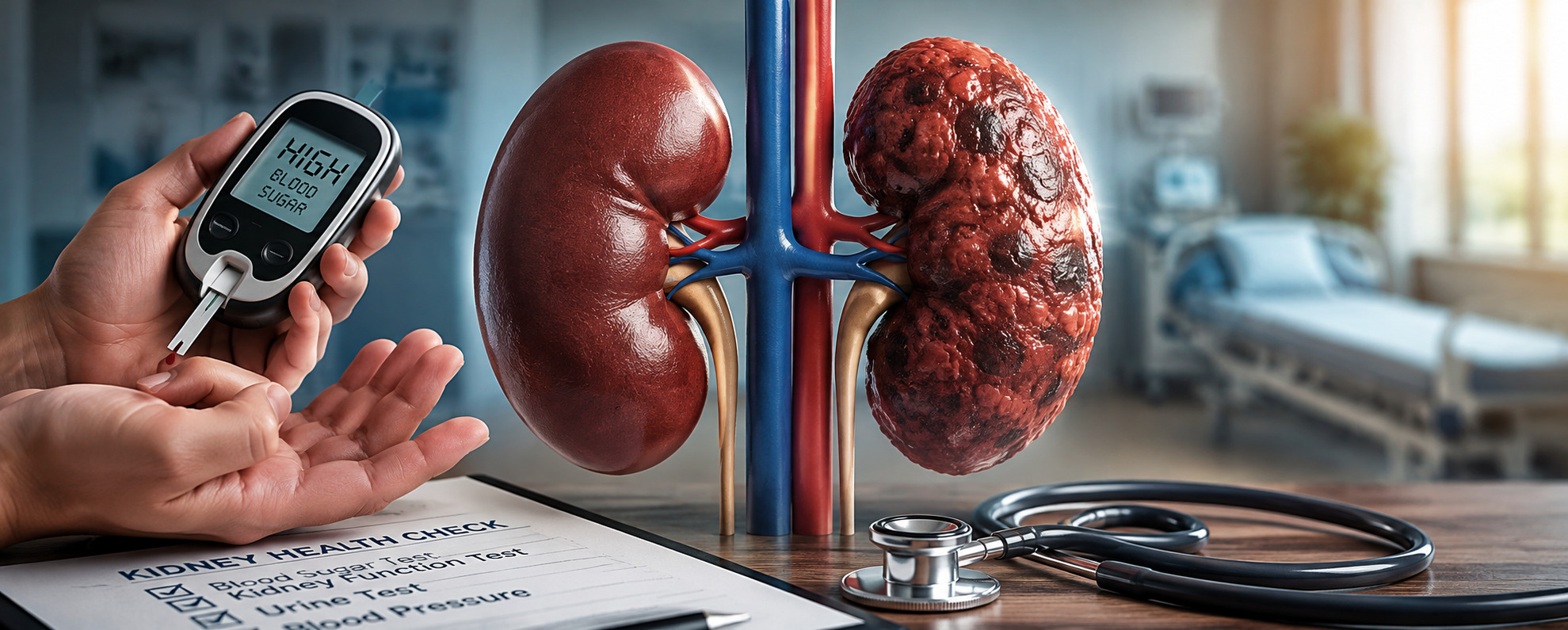
Diabetes and high blood pressure can damage the kidneys over time, particularly when they are not well controlled. People with either condition should follow their recommended kidney monitoring schedule. If foamy urine becomes persistent, discuss it with their doctor.
4. Forceful Urination
When urine hits the toilet water quickly, it can create bubbles that resemble foam. This can happen occasionally without indicating a kidney problem.
What Other Symptoms Should You Watch For?
Foamy urine deserves closer attention when it occurs alongside other changes, such as:
-
Swelling around the eyes, feet or ankles
-
Blood in the urine
-
Changes in how often you urinate
-
Unusual tiredness or weakness
-
New or worsening high blood pressure
These symptoms can have several causes, so they should not be used to diagnose kidney disease at home. Seek urgent medical care if you develop severe breathlessness, confusion or a marked reduction in urine output.
Which Tests Can Check Your Kidney Health?
If foamy urine continues, a doctor may recommend one or more tests depending on your symptoms and medical history.
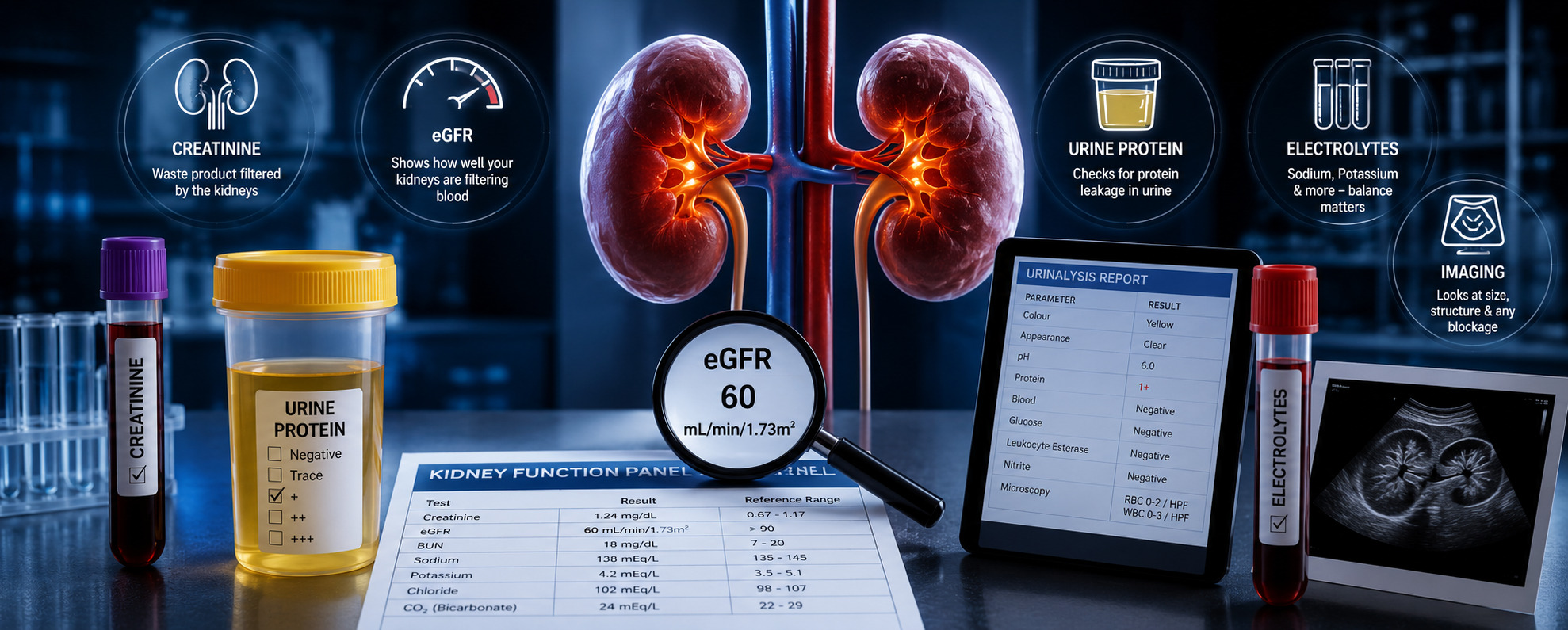
Urine routine examination: Checks for findings such as protein, blood and other abnormalities.
Urine albumin-to-creatinine ratio (UACR): Measures albumin, a type of protein, in the urine. It can help detect early kidney damage.
Blood creatinine and eGFR: Help assess how well the kidneys filter waste from the blood.
Your doctor may repeat a urine test if the result is abnormal, since temporary factors can sometimes affect the findings. The results are interpreted together rather than in isolation.
When Should You Consult a Kidney Specialist?
Consider consulting a kidney specialist if foamy urine continues over several days, keeps returning or occurs alongside swelling, diabetes, high blood pressure or abnormal urine test results.
A nephrologist can assess your symptoms, review your medical history and determine whether additional testing is necessary. Early evaluation can help identify kidney problems and guide appropriate treatment.
Take Care of Your Kidney Health
Occasional foamy urine is often harmless, but persistent changes deserve attention. A simple urine test can help determine whether protein is present and whether further assessment is needed.
If you are concerned about ongoing foamy urine or have abnormal kidney test results, consult a qualified healthcare professional. The nephrology department at Maruti Hospital, Tiruchirappalli, can be a point of contact for discussing kidney-related concerns and appropriate evaluation.
Written and prepared by: Maruti Hospital Medical Content Team
Medical review: To be completed by a qualified nephrologist before publication.