Nephrology
High Creatinine in Blood: Does It Mean Kidney Failure?
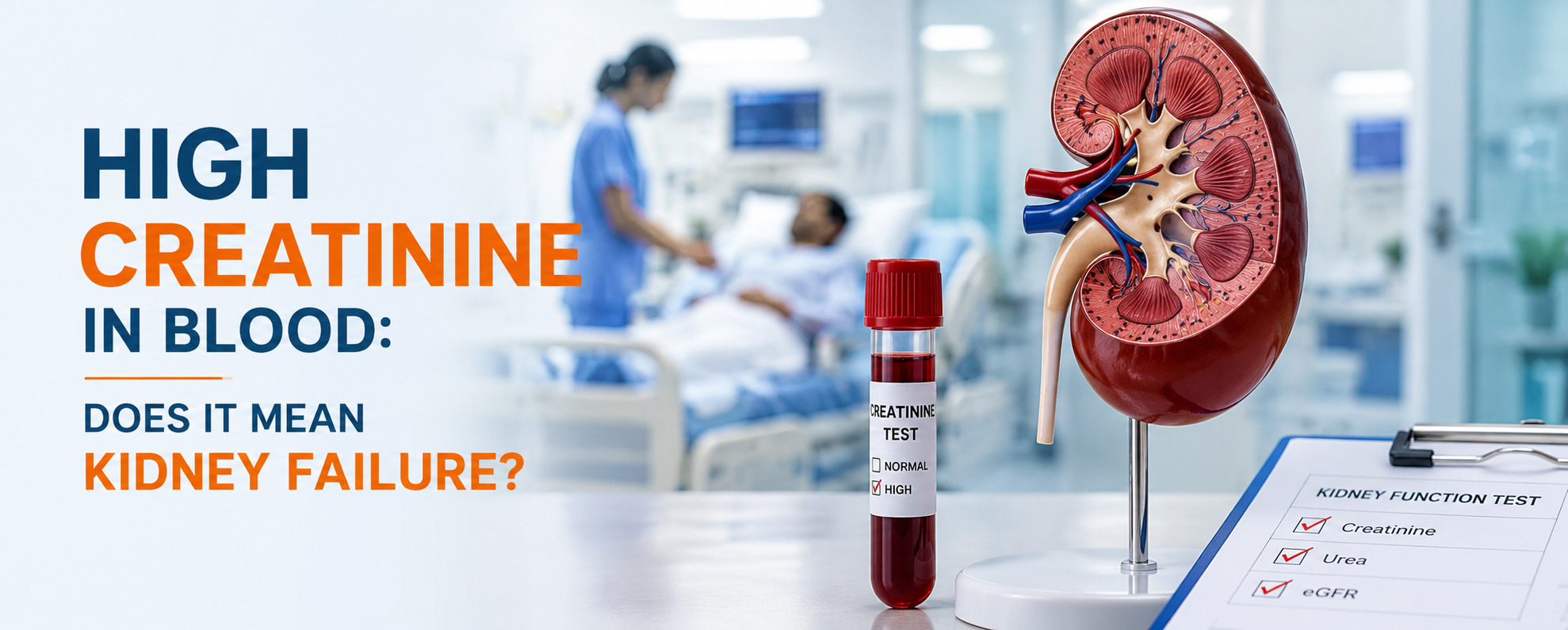
Seeing a high creatinine result on a blood test can be worrying. Many people immediately wonder whether their kidneys are failing or whether they will need dialysis. However, a raised creatinine level does not automatically mean kidney failure. The result needs to be considered alongside other test findings, previous reports, medications and overall health.
Understanding what creatinine measures and why it may rise can help you know what to discuss with your doctor.
What Is Creatinine?
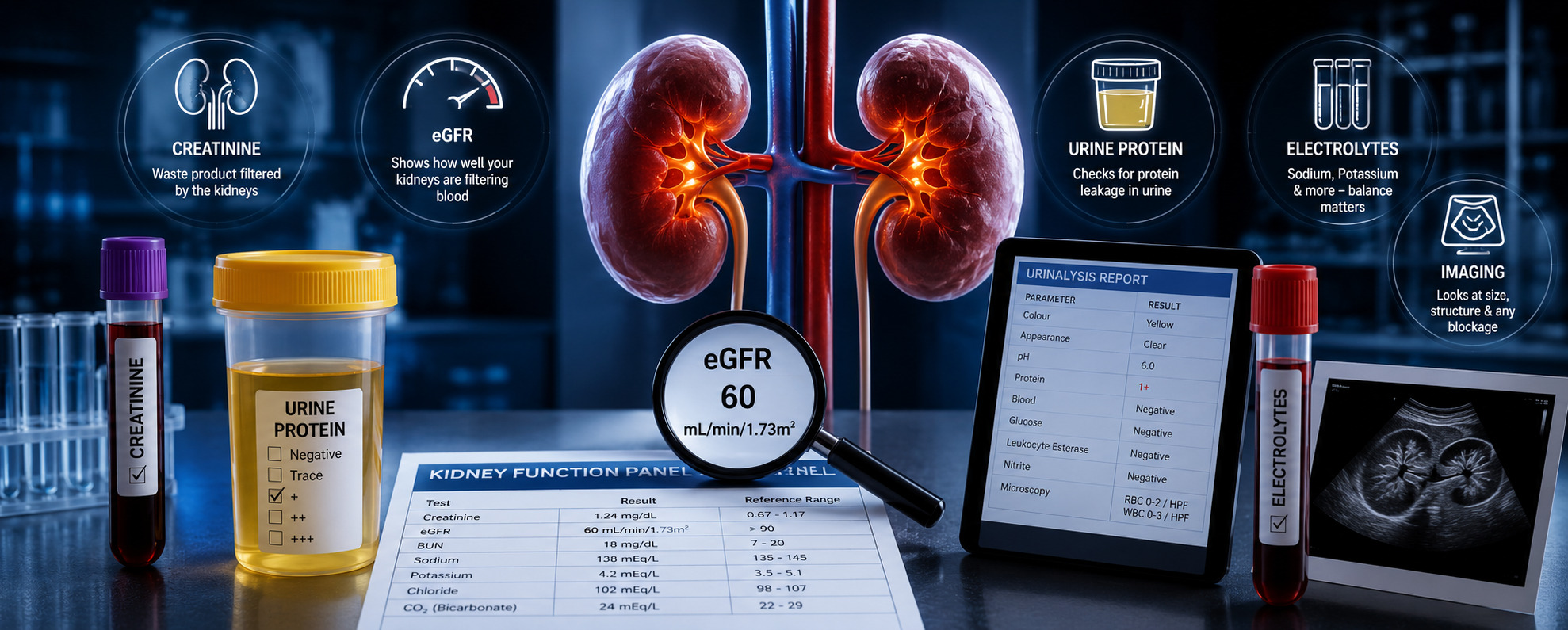
Creatinine is a waste product produced by muscles during their normal activity. The kidneys filter it from the blood and remove it through urine.
When kidney function decreases, creatinine may build up in the bloodstream. This is why doctors use a blood creatinine test to help assess how well the kidneys are working.
However, creatinine levels can also vary with muscle mass, diet, hydration and certain medications. A single result cannot always explain what is happening inside the kidneys.
Does High Creatinine Always Mean Kidney Failure?
No. A high creatinine result can have several explanations.
It may be associated with reduced kidney function, but it can also rise temporarily during dehydration, an acute illness or after intense exercise. Some medicines can affect creatinine levels or kidney function as well.
The amount of elevation, how quickly it developed and whether other tests are abnormal all matter. Your doctor may compare the result with earlier blood tests and recommend further investigations before determining the cause.
Do not ignore a raised result, especially if it is new or substantially higher than your previous reading.
How Does eGFR Help Assess Kidney Function?
Your blood report may include a value called estimated glomerular filtration rate, or eGFR. It estimates how effectively your kidneys filter waste from the blood.
eGFR is usually calculated using blood creatinine and factors such as age and sex. In some circumstances, additional tests may help provide a clearer picture of kidney function.
A lower eGFR can indicate reduced filtration, but one result alone does not always establish chronic kidney disease. Doctors consider the result alongside urine tests, medical history and previous measurements.
Persistent abnormalities over at least three months may indicate chronic kidney disease. A sudden change, however, may require more urgent assessment.
Common Reasons for High Creatinine
1. Dehydration
Not drinking enough fluids, vomiting, diarrhoea or fever can reduce blood flow to the kidneys and affect creatinine levels. Correcting dehydration may help when it is the cause, but a raised result should not automatically be attributed to a lack of fluids.
People with heart or kidney conditions may have fluid restrictions, so they should not increase their water intake without medical advice.
2. Reduced Kidney Function
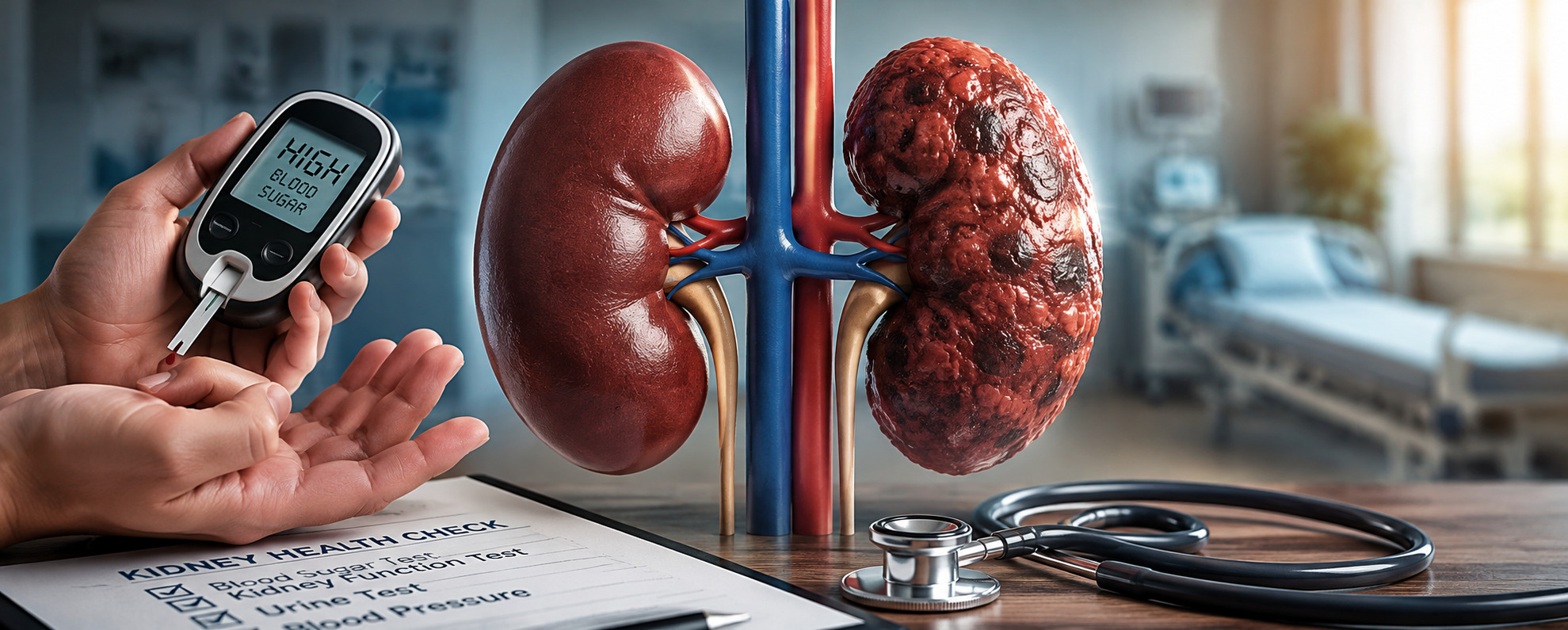
When the kidneys are unable to filter waste efficiently, creatinine can rise. Causes include acute kidney injury and chronic kidney disease. Diabetes and high blood pressure are important risk factors for long-term kidney damage.
3. Muscle Mass and Exercise
Creatinine is produced by muscles. People with greater muscle mass may naturally have higher levels, and strenuous exercise can sometimes affect a test result. Your doctor may consider your activity level and other findings when interpreting the report.
4. Medicines and Other Health Conditions
Certain medicines can change creatinine levels or affect kidney function. Recent illness, urinary obstruction and other medical conditions may also contribute.
Tell your doctor about all prescription medicines, over-the-counter products and supplements you take. Do not stop prescribed medication without medical advice.
Why Previous Test Results Matter
A creatinine value of concern in one person may have a different meaning in another. Doctors look at the result in context and compare it with previous measurements whenever possible.
A sudden increase may indicate acute kidney injury, which needs prompt assessment. A persistent abnormality may suggest a longer-term problem that requires monitoring and treatment.
Depending on the findings, your doctor may recommend repeating the blood test, checking eGFR, examining urine for protein or blood, reviewing medications or arranging imaging to investigate a possible blockage.
When Should You Consult a Nephrologist?
A nephrologist is a doctor who specialises in kidney diseases. Specialist assessment may be helpful if:
-
Your creatinine is newly elevated or continues to rise.
-
Your eGFR is reduced.
-
Urine tests show protein or blood.
-
You have diabetes or high blood pressure along with abnormal kidney results.
-
You have swelling, changes in urination or other concerning symptoms.
-
Your doctor is unsure whether the problem is acute or chronic.
Seek urgent medical care if you have very little or no urine, severe breathlessness, confusion, persistent vomiting or rapidly worsening swelling. Do not wait for a routine appointment if these symptoms occur.
Get Your Kidney Function Checked
An abnormal creatinine result deserves attention, but it is not a diagnosis on its own. Reviewing your eGFR, urine tests, previous reports and medical history can help identify the cause and determine the next step.
If your creatinine is elevated or your kidney test results are changing, consult a qualified healthcare professional. The nephrology department at Maruti Hospital, Tiruchirappalli, can be a point of contact for discussing kidney-related concerns and appropriate evaluation.
Medical review: To be completed by a qualified Maruti Hospital nephrologist before publication.