Urology
Why Am I Urinating So Often? Causes Doctors Consider
Introduction
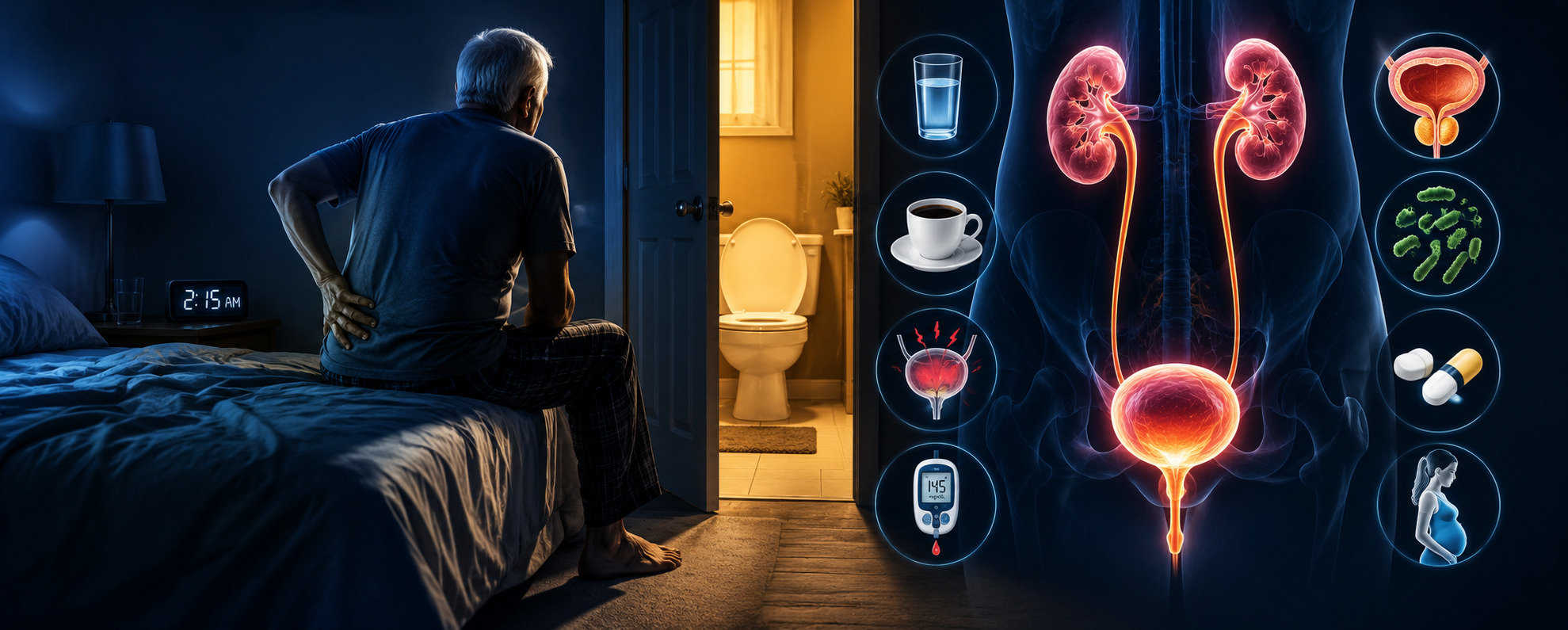
Having to urinate more often than usual can be frustrating, especially when it starts affecting work, sleep or daily activities. Sometimes the reason is simple, such as drinking more fluids or having too much caffeine. In other cases, frequent urination can be linked to a urinary infection, diabetes, bladder problems or prostate changes.
The number of times a person urinates can vary from one individual to another. What matters is whether there has been a noticeable change from your usual pattern and whether other symptoms are present.
Understanding the possible causes can help you know when it is time to speak with a doctor.
1. Drinking More Fluids or Caffeine
One of the simplest reasons for frequent urination is increased fluid intake.
Drinking large amounts of water, tea, coffee or other beverages can naturally increase urine production. Caffeine can also make some people urinate more frequently.
If frequent urination began after a change in your drinking habits, reducing excess caffeine and reviewing your overall fluid intake may help.
However, persistent symptoms should not automatically be blamed on drinking too much water.
2. Urinary Tract Infection
A urinary tract infection (UTI) can cause a sudden increase in the need to urinate.
Frequent urination may occur along with:
- Burning or pain while passing urine
- A strong or sudden urge to urinate
- Lower abdominal discomfort
- Cloudy or strong-smelling urine
- Blood in the urine in some cases
If these symptoms develop, a doctor may recommend a urine test to look for signs of infection and decide whether treatment is required.
3. Diabetes Can Cause Frequent Urination
Frequent urination can sometimes be an early sign of diabetes, particularly when it occurs along with increased thirst.
When blood glucose levels remain high, the kidneys try to remove the excess glucose through urine. This can lead to increased urine production.
Frequent urination accompanied by excessive thirst, unexplained weight loss or persistent tiredness should be evaluated by a doctor.
A blood glucose test can help determine whether diabetes may be contributing to the symptoms.
4. Overactive Bladder
An overactive bladder can cause a sudden and difficult-to-control urge to urinate.
People with an overactive bladder may experience:
- Frequent urination during the day
- Sudden urges to pass urine
- Frequent trips to the bathroom at night
- Urine leakage before reaching the toilet in some cases
There can be several reasons for these symptoms. A doctor will usually consider the person's symptoms, medical history and other possible causes before diagnosing an overactive bladder.
Treatment depends on the underlying cause and may include lifestyle changes, bladder training, medicines or other approaches when appropriate.
5. Prostate Changes in Men
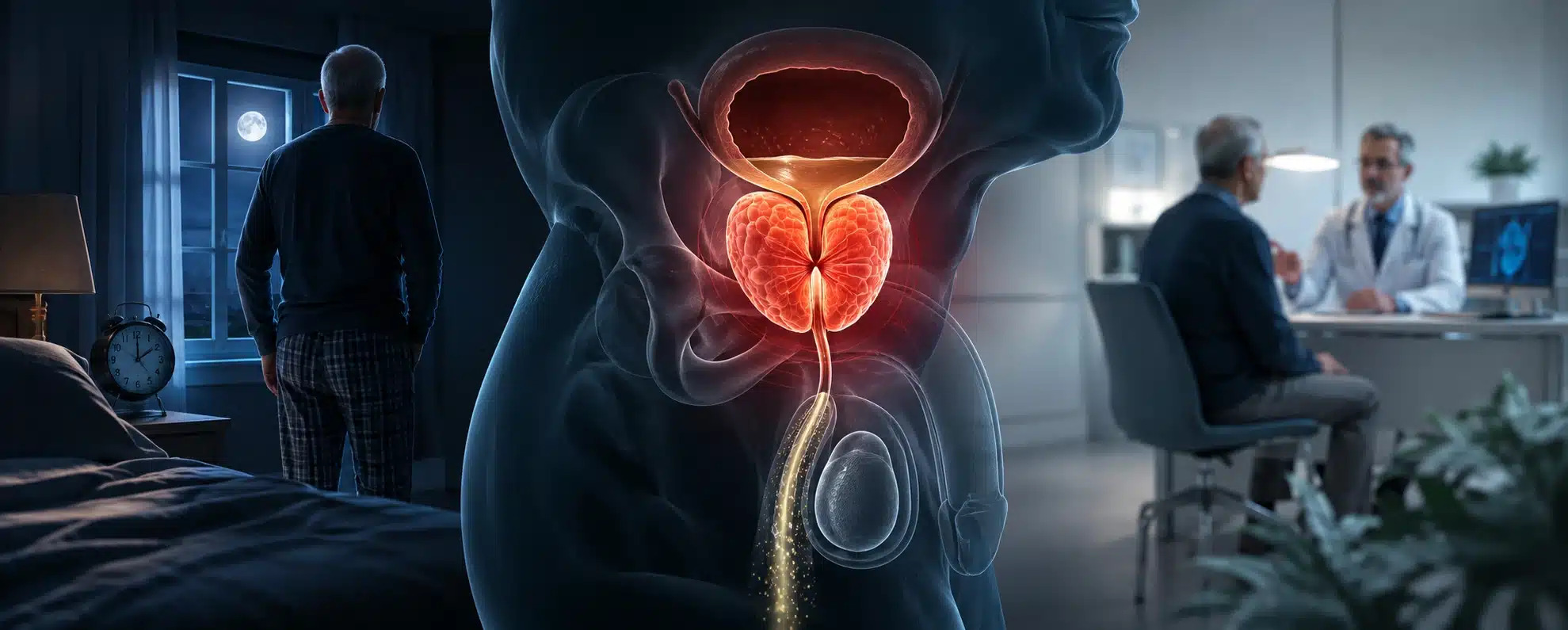
Frequent urination can be associated with prostate enlargement, particularly in older men.
As the prostate grows, it can put pressure on the urethra and interfere with the normal flow of urine.
Other symptoms may include:
- A weak or slow urine stream
- Difficulty starting urination
- A feeling that the bladder has not emptied completely
- Dribbling after urination
- Increased urination at night
- A sudden urge to urinate
These symptoms do not necessarily mean that a person has prostate cancer. Benign prostate enlargement is a common cause, but persistent urinary changes should be assessed by a urologist.
6. Pregnancy
Frequent urination is common during pregnancy.
Hormonal changes can increase urine production, while the growing uterus can place additional pressure on the bladder as pregnancy progresses.
However, burning while urinating, fever, pain or other unusual symptoms during pregnancy should not be ignored. A urinary infection may require medical evaluation and treatment.
7. Certain Medicines Can Increase Urination
Some medicines are designed to increase urine production.
For example, diuretics, sometimes called "water pills", may be prescribed for conditions such as high blood pressure or certain heart problems.
If frequent urination starts after beginning a new medicine, tell your doctor. Do not stop a prescribed medicine on your own. Your doctor can decide whether the medicine or its timing needs to be reviewed.
When Should Frequent Urination Be Checked?
Frequent urination does not always indicate a serious problem. However, you should seek medical advice if it is new, persistent or interfering with your daily life.
It is particularly important to get medical attention if frequent urination occurs with:
- Burning or pain while urinating
- Blood in the urine
- Fever or chills
- Excessive thirst
- Unexplained weight loss
- Persistent tiredness
- Significant lower abdominal or pelvic pain
- Difficulty passing urine
- An inability to urinate despite having a strong urge
An inability to urinate can require urgent medical attention.
What Tests Might a Doctor Recommend?
The tests depend on the symptoms and suspected cause.
A doctor may recommend:
- Urine examination
- Blood glucose testing
- Kidney function tests
- Blood tests when required
- Ultrasound or other imaging in selected cases
- Prostate evaluation for men with relevant urinary symptoms
The aim is to identify the underlying cause rather than simply treat the frequency of urination.
Conclusion
Frequent urination can have many causes, and the reason is not always obvious from the symptom alone. Changes in fluid intake, caffeine, urinary infections, diabetes, overactive bladder, pregnancy, medicines and prostate enlargement can all contribute.
Pay attention to when the symptoms started and whether you have other changes such as burning, blood in the urine, excessive thirst, weak urine flow or difficulty emptying the bladder.
If frequent urination continues or is accompanied by concerning symptoms, a medical evaluation can help identify the cause and determine the appropriate treatment. Maruti Hospital's Urology department provides evaluation and treatment for urinary and male reproductive system conditions.