
Urology
Prostate Health-Warning Signs Men Should Know
· By Maruti Hospital
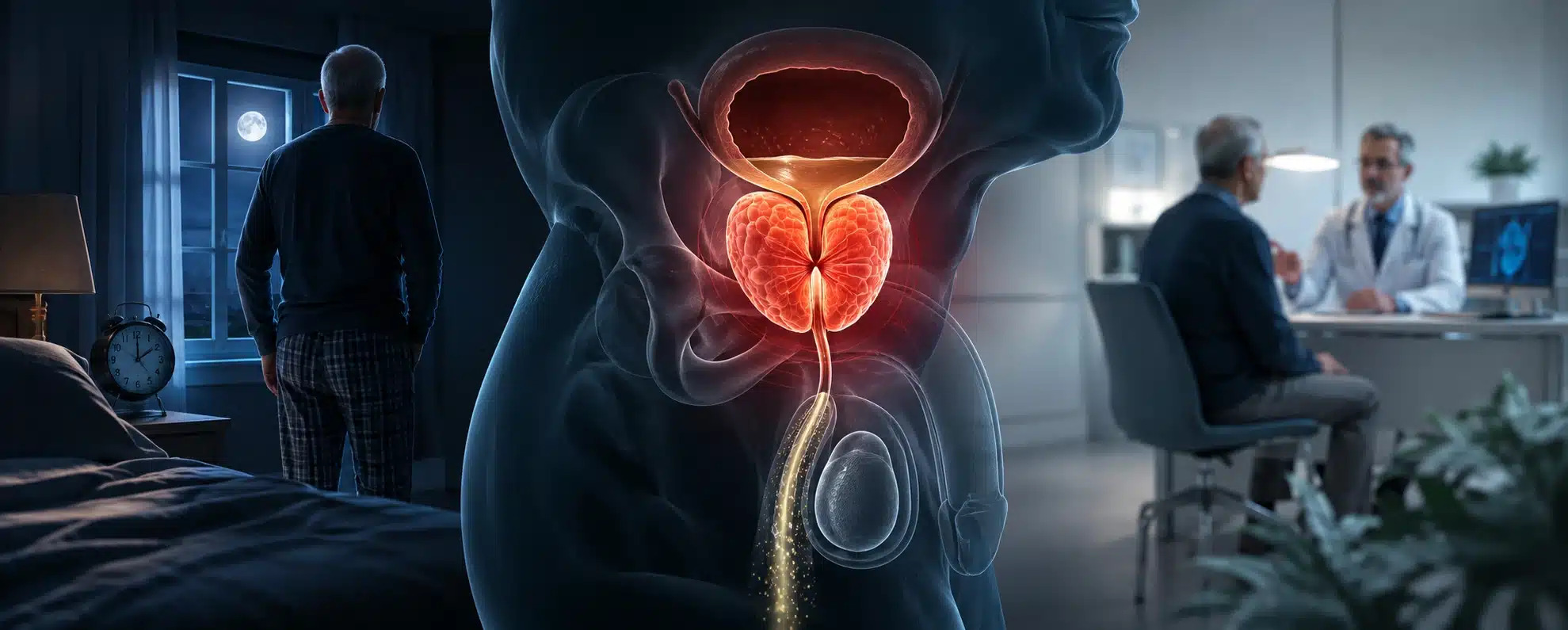
Prostate Health: Warning Signs Men Should Know
Introduction
The prostate is a small gland located below the bladder and in front of the rectum. It is part of the male reproductive system and surrounds part of the urethra, the tube that carries urine out of the body.
As men get older, the prostate can gradually become enlarged. While this may not always cause an immediate problem, changes in urination should not simply be ignored.
Recognising the early warning signs and discussing persistent symptoms with a urologist can help identify the underlying cause and determine appropriate treatment.
1. Why Prostate Health Matters
Prostate problems become more common as men grow older. One common cause of urinary symptoms is benign prostatic hyperplasia (BPH), also known as benign prostate enlargement.
When the prostate becomes enlarged, it can press against the urethra and make it harder for urine to pass normally.
Men with an enlarged prostate may experience:
- A slow or weak urine stream
- Difficulty starting urination
- Increased frequency of urination
- Frequent trips to the bathroom, particularly at night
- A sudden or strong urge to urinate
- A feeling that the bladder has not emptied completely
- Dribbling after urination
These changes can develop gradually, which may lead some men to consider them a normal part of ageing. However, persistent symptoms are worth discussing with a doctor.
2. Frequent Urination at Night
Occasionally waking up at night to urinate may not be a cause for concern. However, regularly waking several times can disturb sleep and affect everyday life.
Nocturia, or frequent urination at night, can have several causes. An enlarged prostate is one possibility, but diabetes, urinary conditions and certain medicines may also contribute.
If nighttime urination becomes frequent or starts affecting your sleep, a medical evaluation can help determine the underlying cause.
3. Difficulty Maintaining Urine Flow
An enlarged prostate can interfere with the normal flow of urine through the urethra.
Some men may notice that they:
- Need to strain before urine starts flowing
- Have a slower urine stream than before
- Experience a urine stream that stops and starts
- Take longer than usual to empty the bladder
These symptoms may occur because an enlarged prostate partially narrows the urethra.
However, changes in urine flow are not always caused by prostate enlargement. A urologist can assess the symptoms and decide whether further tests are necessary.
4. Don't Ignore Blood in the Urine
Seeing blood in the urine can be concerning. It may occur due to several conditions, including urinary tract infections, kidney stones and problems affecting the urinary system or prostate.
Blood in the urine should not be ignored, particularly if it keeps occurring or is accompanied by other symptoms.
Depending on the individual's symptoms and medical history, a urologist may recommend urine tests, blood tests, imaging or other investigations.
The cause cannot be determined simply by looking at the urine, so medical evaluation is important.
5. Prostate Problems Are Not Always Cancer
Hearing the word "prostate" can sometimes cause concern about prostate cancer. However, urinary symptoms can have several different causes.
For example:
- Benign prostatic hyperplasia: Enlargement of the prostate that is not cancer.
- Prostatitis: Inflammation of the prostate that may cause pelvic discomfort and urinary symptoms.
- Prostate cancer: A cancer that develops in the prostate.
These conditions can sometimes cause similar urinary symptoms. Therefore, it is not possible to determine the cause based only on symptoms.
A urologist can evaluate the individual's condition and recommend appropriate investigations and treatment when required.
6. When Should You See a Urologist?
Persistent urinary changes should not be dismissed, particularly when they begin interfering with daily activities or sleep.
Consider consulting a urologist if you experience:
- Difficulty starting urination
- A consistently weak urine stream
- Frequent urination
- Sudden or frequent urges to urinate
- Repeated nighttime urination
- Difficulty completely emptying the bladder
- Pelvic or urinary discomfort
- Blood in the urine
- Repeated urinary tract infections
If you are unable to urinate, have severe pain or experience heavy bleeding, seek urgent medical attention.
A urologist can assess your symptoms and determine whether medication, further investigations or another form of treatment may be appropriate.
Maruti Hospital's Urology department provides care for a range of urinary tract conditions and conditions affecting the male reproductive system.
Conclusion
Changes in urination can be easy to overlook, particularly as men get older. However, symptoms such as a weak urine stream, difficulty starting urination or frequent nighttime bathroom visits should not simply be considered a normal part of ageing.
Prostate-related symptoms can have different causes, and identifying the underlying problem requires proper medical evaluation.
If you have persistent urinary symptoms or concerns about your prostate health, speaking with a urologist can help you understand the cause and available treatment options.