Urology
Kidney Stone Pain - When Can You Wait and When Is It an Emergency?

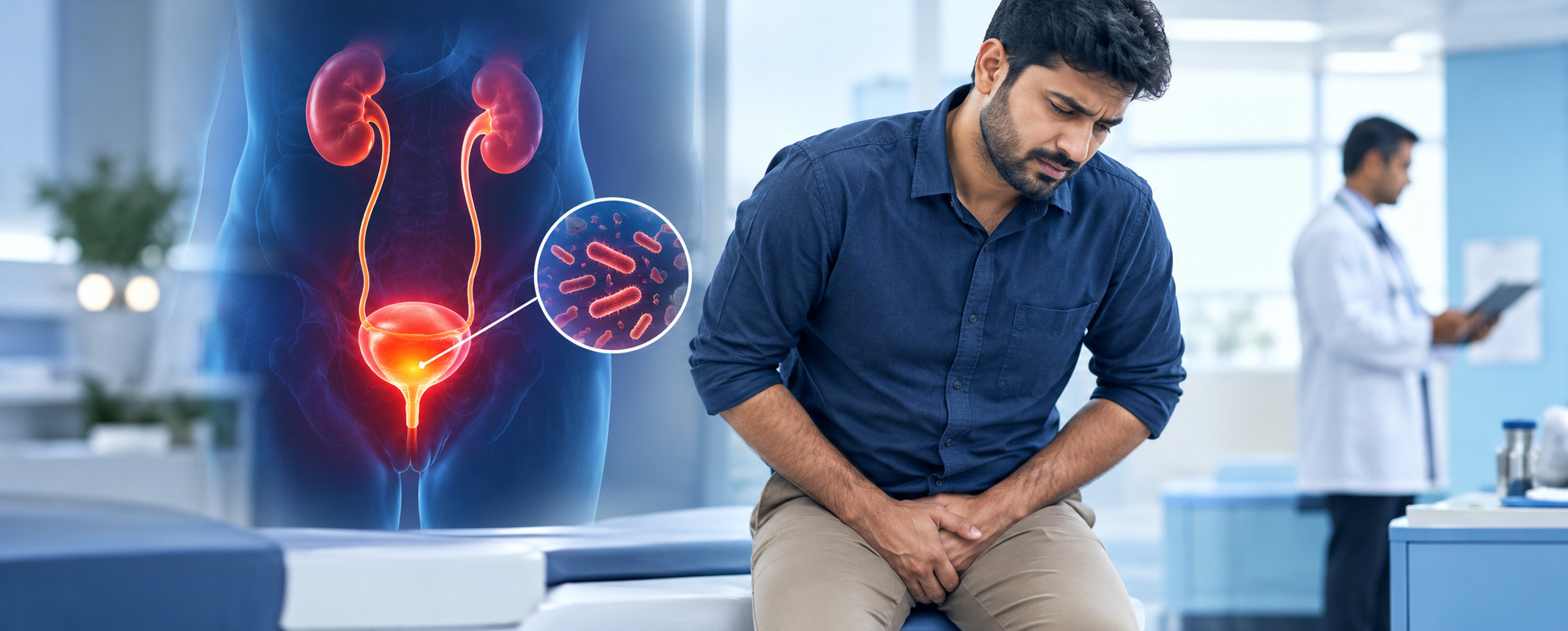
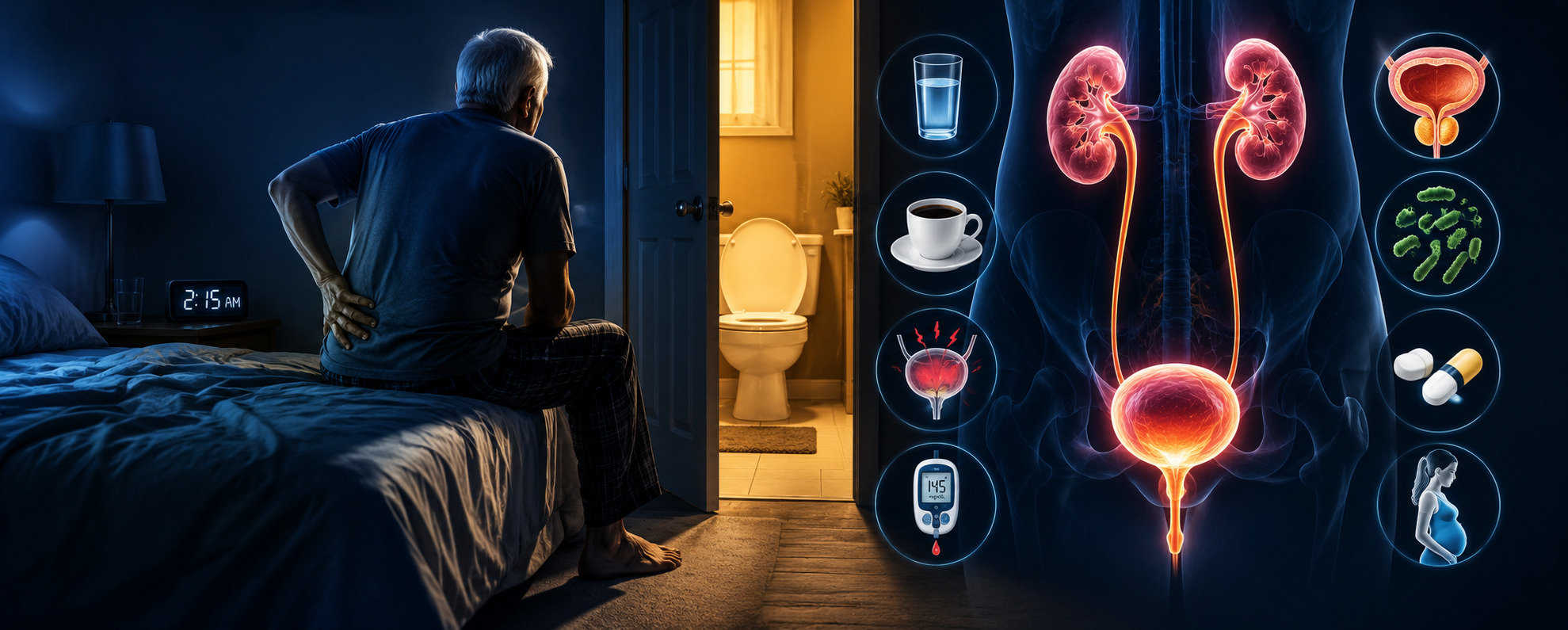
Kidney stones can cause sudden pain in the back or side that may spread to the lower abdomen or groin. The pain can come in waves and may be accompanied by nausea, vomiting or blood in the urine.
Some kidney stones pass without surgery, but others can block the flow of urine and require medical treatment. Knowing which symptoms need urgent attention can help prevent complications.
1. What Does Kidney Stone Pain Feel Like?
Kidney stone pain often starts in the side or back, just below the ribs. As the stone moves through the urinary tract, the pain may spread towards the lower abdomen or groin.
Common symptoms include:
-
Sudden, severe pain in the side or back
-
Pain that comes and goes in waves
-
Pain spreading towards the groin
-
Nausea or vomiting
-
Blood in the urine
-
Pain or discomfort while passing urine
-
A frequent urge to urinate, particularly when the stone is near the bladder
The symptoms can vary depending on the size and location of the stone. Medical assessment is needed to confirm the cause of the pain.
2. When Is Kidney Stone Pain an Emergency?
Not every kidney stone requires emergency treatment, but certain symptoms should never be ignored.
Seek emergency medical care if you experience:
-
Fever or chills: These may indicate an infection, especially if a stone is blocking urine flow.
-
Difficulty passing urine: Being unable to urinate may indicate a serious blockage.
-
Persistent vomiting: Repeated vomiting can cause dehydration and make treatment more difficult.
-
Severe pain that does not settle: Uncontrolled pain needs urgent medical assessment.
-
Feeling very weak or seriously unwell: This may be a sign of a serious infection or another complication.
A kidney stone that blocks urine flow while an infection is present can become life-threatening and requires immediate treatment.
3. Why Is Fever Alongside Kidney Stone Pain Dangerous?
A kidney stone can block the ureter, preventing urine from draining normally. If an infection develops behind the blockage, it can spread quickly and cause serious illness.
Treatment may involve antibiotics and a procedure to drain the infected urine. The stone may be removed later, once the infection is under control.
If you have kidney stone pain with fever or chills, go to an emergency department immediately.
4. Can Kidney Stones Pass on Their Own?
Some kidney stones pass naturally through the urinary tract. The likelihood depends on the stone's size and location.
A urologist may recommend monitoring, medication to help manage symptoms or a procedure to remove the stone. Larger stones and those causing significant obstruction may require treatment.
Even if the pain improves, the stone may not have passed. Follow-up assessment can help confirm whether the blockage has cleared.
5. How Are Kidney Stones Diagnosed?
A doctor may recommend the following tests to identify the stone and check for complications.
-
Urine test: Checks for blood and signs of infection.
-
Blood tests: Assess kidney function and look for signs of infection.
-
Ultrasound: Helps identify stones and swelling caused by blocked urine flow.
-
CT scan: Provides detailed information about the stone's size, location and possible obstruction.
The tests recommended depend on the patient's symptoms, medical history and examination findings. Ultrasound may be preferred in certain situations, including pregnancy.
6. Who Needs Extra Attention?
Prompt medical assessment is particularly important for people who have:
-
Only one functioning kidney
-
Existing kidney disease
-
Repeated kidney stones
-
Symptoms of a urinary tract infection
-
Possible kidney stone symptoms during pregnancy
A blockage can have more serious consequences in people with reduced kidney function or only one functioning kidney. Anyone in these groups who develops new or worsening pain should seek urgent medical advice.
7. What Should You Do If You Suspect a Kidney Stone?
If you develop new pain in your side or back, arrange a medical assessment rather than assuming it is a kidney stone.
Until you receive medical advice:
-
Drink fluids normally unless your doctor has advised you to restrict them.
-
Take pain medication only as recommended by a healthcare professional.
-
Do not force yourself to drink excessive amounts of water to pass the stone.
-
Keep previous scan reports and medical records available for your consultation.
-
Seek emergency care if you develop fever, chills, difficulty passing urine or persistent vomiting.
Home care should not delay medical attention when warning signs are present.
Maruti Hospital in Trichy provides healthcare services for patients with urinary and kidney-related concerns. A medical evaluation can help determine whether medication, monitoring or a procedure is needed.
When to Consult a Urology Specialist
Kidney stone pain should not be ignored, particularly when it is severe, persistent or accompanied by other symptoms. Early assessment helps identify the stone, check for a blockage and determine the appropriate treatment.